Ingredient Research
Green Tea Extract and Metabolism Support: Understanding Catechins and EGCG
A grounded look at green tea's catechins and EGCG, what thermogenesis research actually shows, and where the evidence runs out.

In This Article
Green Tea
Green tea is one of the most extensively studied plant ingredients in the entire category of green tea extract metabolism support products, appearing in everything from beverages to standalone supplements. Its popularity comes down to a group of naturally occurring plant compounds it contains in comparatively high concentration.
Catechins
Those compounds are called catechins — a family of polyphenols found throughout green tea leaves. Researchers have studied green tea catechins for decades, looking at their relationship to antioxidant activity and, more specifically, metabolic processes like fat oxidation.
EGCG
The most studied catechin is epigallocatechin gallate, or EGCG. Much of the EGCG metabolism research examines whether this specific compound can influence how the body processes and uses energy, often in combination with caffeine (though Burntide's formula is stimulant-free).
Thermogenesis
Thermogenesis refers to the body's production of heat, tied closely to energy expenditure. Some studies have explored green tea thermogenesis effects, looking at whether catechin intake corresponds with small, measurable increases in energy use. Results across this body of research are mixed and often modest in magnitude.
Fat Oxidation
Related research has examined fat oxidation — the process of breaking down fat for energy — in connection with green tea compounds. As with thermogenesis findings, any observed effects tend to be small and vary based on individual factors like body composition, baseline diet, and activity level.
Antioxidant Context
Beyond metabolism specifically, green tea's catechins are well recognized for their antioxidant properties, helping neutralize oxidative stress at the cellular level. This is part of why green tea extract appears not just in weight-management products but across the broader wellness category.
Evidence Limitations
It's important to be honest about scale: the potential effect of green tea extract on metabolism is generally modest rather than dramatic, and this research does not prove that any complete multi-ingredient formula — Burntide included — produces guaranteed green tea weight management results. Individual-ingredient studies and whole-product clinical trials are two very different types of evidence.
Burntide's Green Tea Ingredient
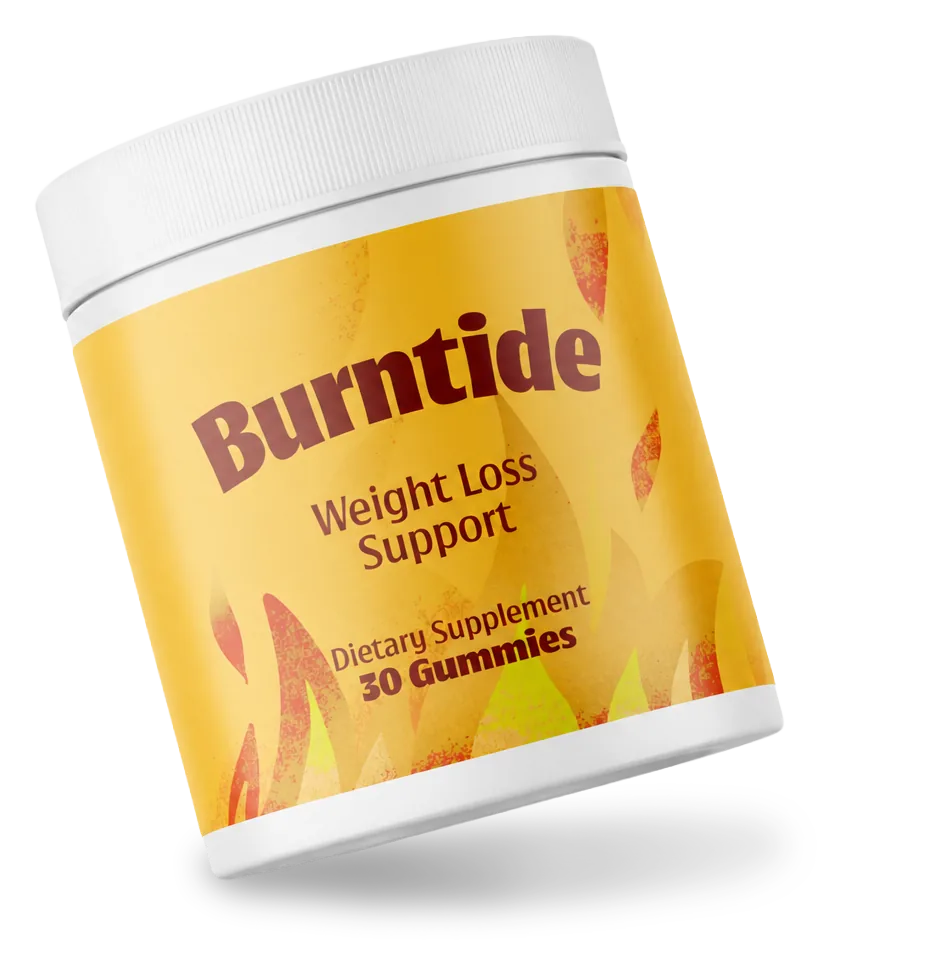
Within the Burntide formula, green tea extract is one of six ingredients working alongside Apple Cider Vinegar, BHB Salts, Cayenne Pepper Extract, L-Carnitine, and Pomegranate Extract. It contributes to the formula's broader positioning around metabolism support and antioxidant wellness, not as a standalone thermogenic product.
Frequently Asked Questions
EGCG (epigallocatechin gallate) is the most studied catechin in green tea, examined for its relationship with antioxidant activity and metabolic processes like fat oxidation.
No. Research suggests any metabolic effect from green tea catechins is generally modest, not dramatic or fast-acting.
Green tea naturally contains some caffeine, but Burntide's overall formula is marketed as stimulant-free — always check the current Supplement Facts label to confirm formulation details.
Keep Exploring
See the full Burntide formula
Six ingredients, one stimulant-free daily gummy.