Ingredient Research
L-Carnitine and Fat Metabolism: What to Know Before Choosing a Supplement
What L-Carnitine actually does in the body, where the sports-nutrition research points, and why individual variability matters.
In This Article
What Is L-Carnitine?
L-Carnitine is a naturally occurring compound the body produces on its own, primarily in the liver and kidneys, and also obtains through certain foods. It's one of the more established names in L-Carnitine fat metabolism research, with a sports-nutrition history that stretches back decades.
Fatty-Acid Transport
Its core job is transport: L-Carnitine helps shuttle long-chain fatty acids across the mitochondrial membrane, where they can be broken down for energy. This is the central mechanism behind most claims about L-Carnitine fatty acid transport and its relevance to metabolism-focused supplements.
Mitochondria & Energy Metabolism
Mitochondria are often described as the cell's energy-producing centers, and fatty-acid oxidation is one of the processes that happens there. Because L-Carnitine plays a supporting role in getting fatty acids into that process, it's frequently associated with L-Carnitine energy metabolism — the idea being that adequate carnitine availability may support how efficiently that transport step happens.
Sports Nutrition Context
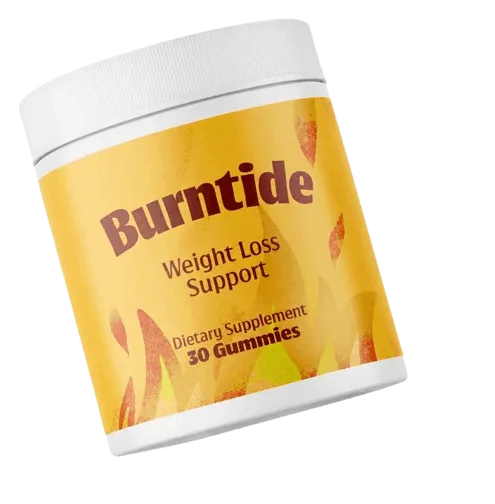
L-Carnitine has a long history in sports nutrition, where it's often included in products aimed at supporting exercise performance and recovery, alongside its role in general metabolic wellness. This context is part of why it also appears in weight-management-focused L-Carnitine supplement formulas like Burntide.
Individual Variability
Not everyone responds to L-Carnitine supplementation the same way. Factors like existing carnitine status, overall diet, activity level, and general health all influence whether additional intake makes a measurable difference for a given person. This is a common thread across nutrition science: individual variability is the rule, not the exception.
Why It Doesn't Guarantee Fat Loss
Here's the key point for anyone evaluating an L-Carnitine weight management product: transporting fatty acids into mitochondria is one step in a much longer metabolic chain, and it doesn't override the basics of energy balance. Simply put, the presence of L-Carnitine in a formula does not guarantee fat loss — usefulness depends heavily on the factors already mentioned above.
Burntide's Formula Context
Within Burntide's six-ingredient formula, L-Carnitine works alongside Apple Cider Vinegar, BHB Salts, Green Tea Extract, Cayenne Pepper Extract, and Pomegranate Extract. It's one part of a broader, stimulant-free approach to metabolism support — not a standalone fat-burning ingredient. For the full picture on how the product is positioned, see our complete Burntide review.

Frequently Asked Questions
It helps transport long-chain fatty acids into mitochondria, where they can be used for energy production.
No. Its role is transport-related, and its usefulness depends on individual factors like diet, activity level, and existing carnitine status.
Its connection to fatty-acid transport and energy metabolism has made it a long-standing ingredient in products aimed at performance and recovery, as well as general metabolic wellness.
Keep Exploring
See the full Burntide formula
Six ingredients, one stimulant-free daily gummy.